

Photo : Sortir au Mans
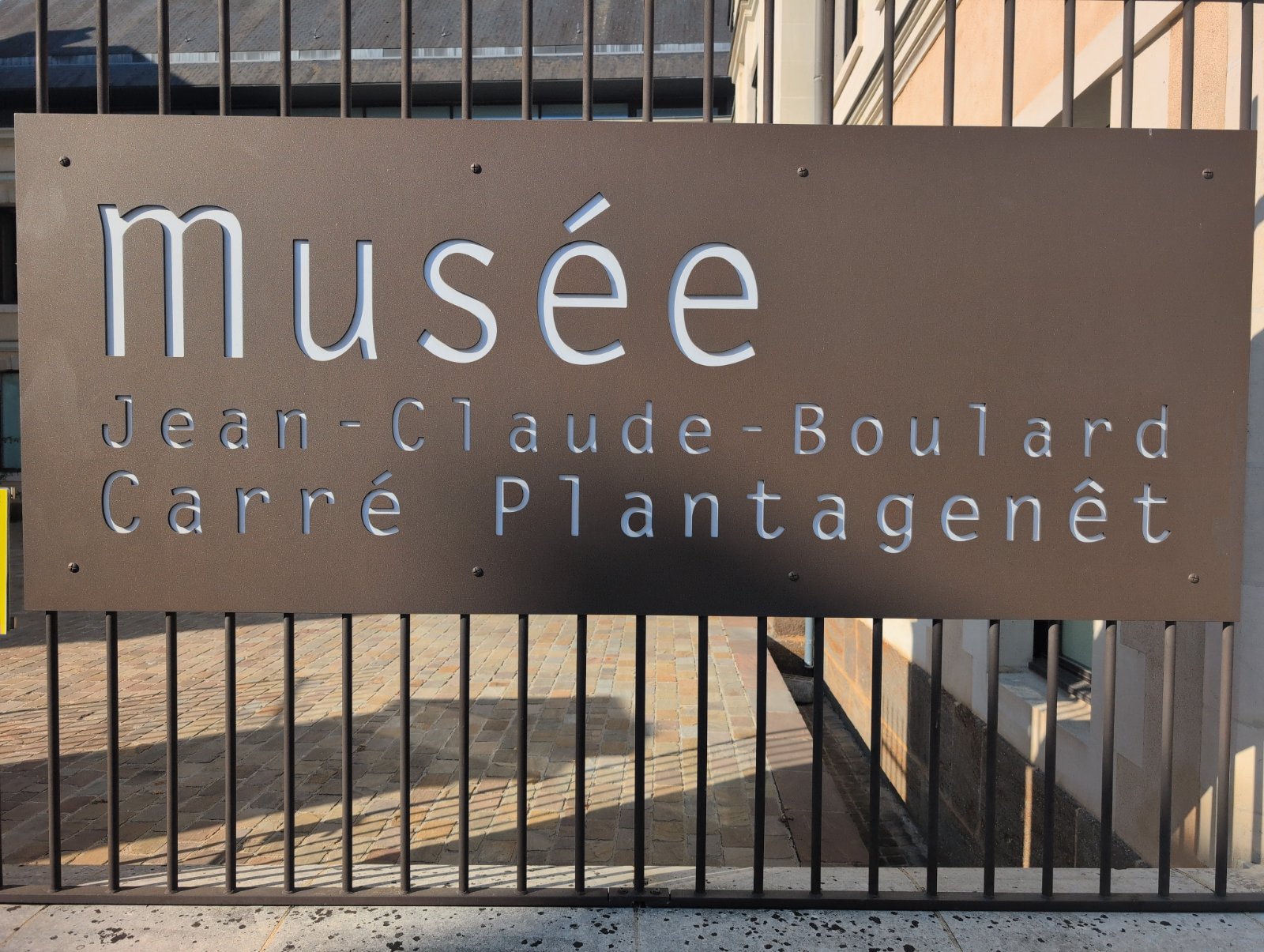
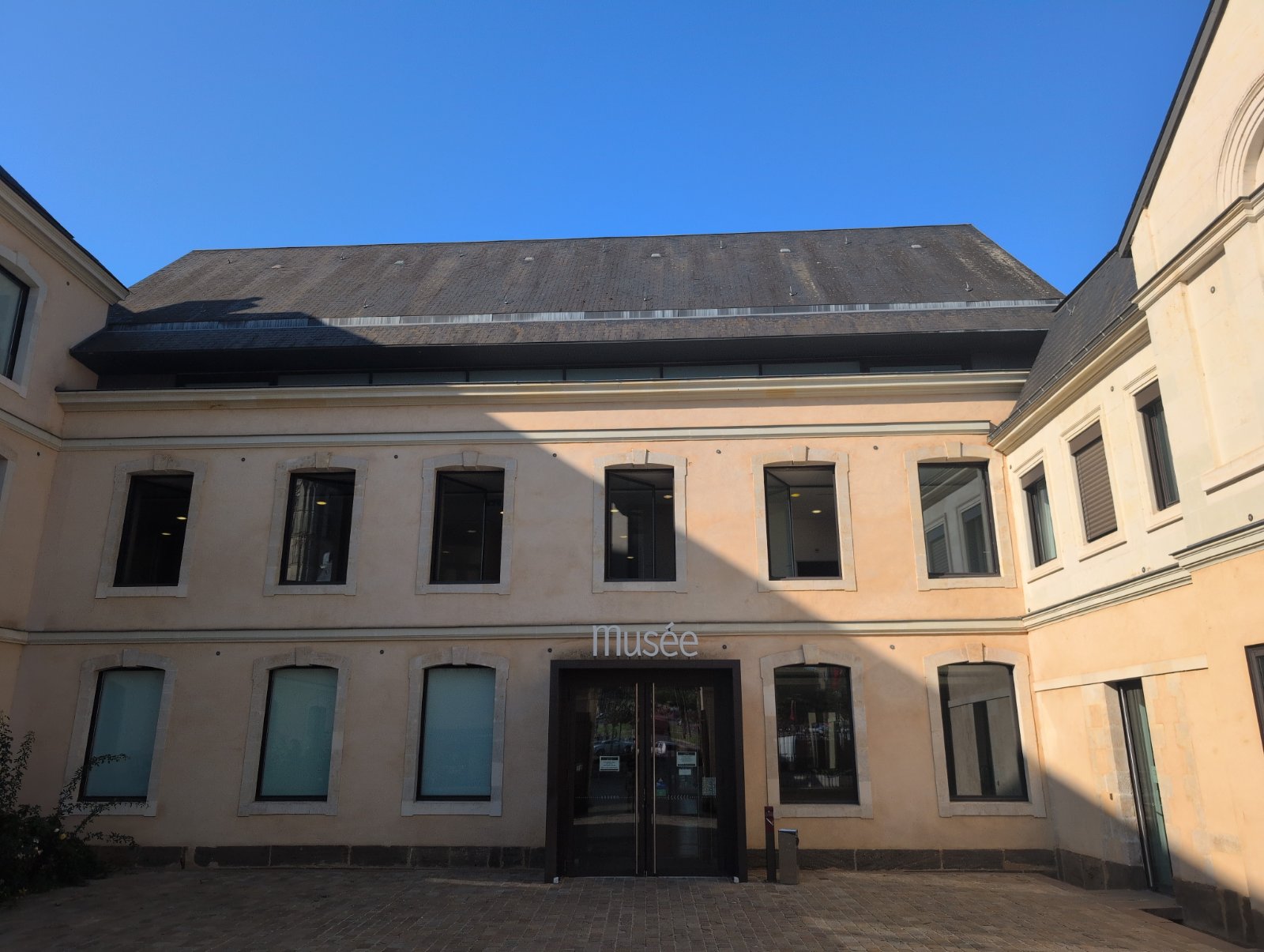
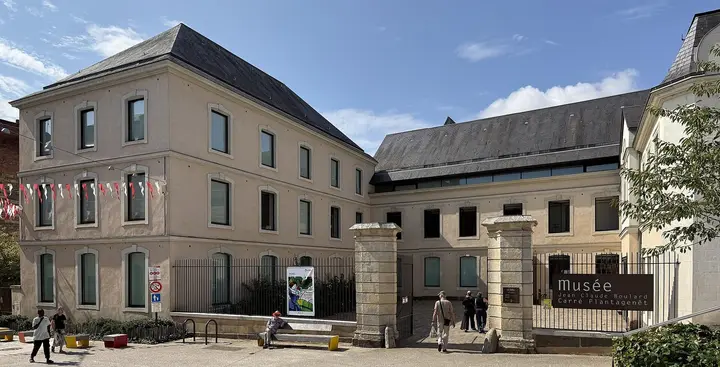
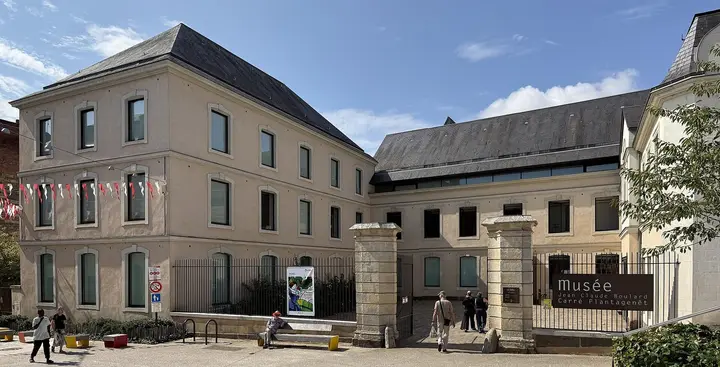
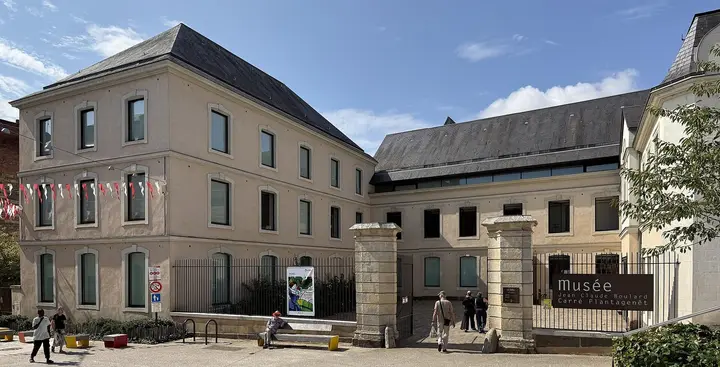
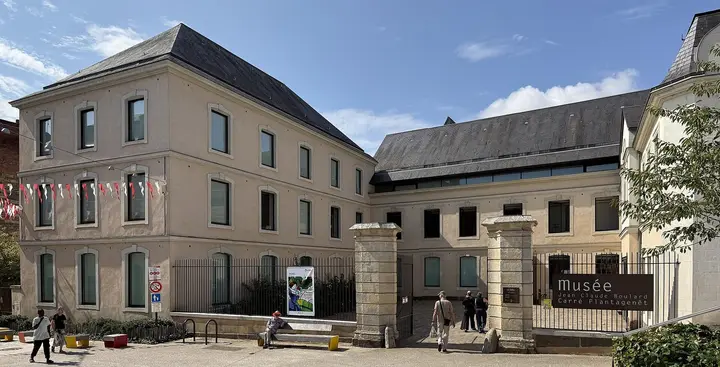
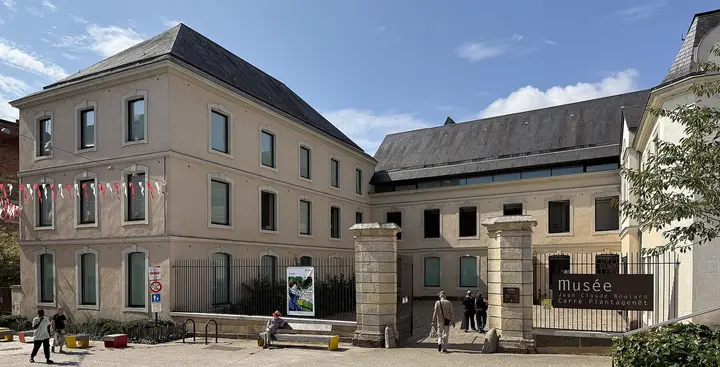
Musée Jean-Claude Boulard - Carré Plantagenêt
Archaeology and history museum of Le Mans, housed in the former Oratorian college, dedicated to two thousand years of the city's history.
What's on
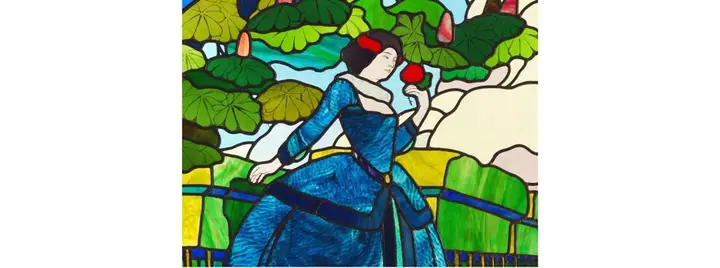
Painting the Light: Stained Glass in the Sarthe, 19th–21st Centuries
Event
Jan 23 – Oct 31
Family Guided Tour – Painting Light (ages 3–5)
Event
Today
10:30 AM
Guided tour – Painting Light: Stained Glass in the Sarthe (19th–21st centuries)
Event
Tomorrow
10:30 AM
Family Workshop – Les facettes du vitrail (ages 8–12)
Event
Tomorrow
2:30 PM
Guided tour – Painting Light: Stained Glass in the Sarthe (19th–21st centuries)
Event
Thu, Oct 29
10:30 AM
Family workshop – Les facettes du vitrail (ages 5/7)
Event
Thu, Oct 29
2:30 PM
Curtain Call! Party at the Carré
Event· Free
Sat, Oct 31
3 PM – 9 PM
Guided Tour – Collections Worksite
Event
Fri, Nov 6
12:15 PM
Guided Tour – Collections Worksite
Event
Fri, Nov 20
12:15 PM
Guided Tour – Collections Worksite
Event
Fri, Dec 4
12:15 PM
- Website — Musée Jean-Claude Boulard - Carré Plantagenêt
- Facebook — Musée Jean-Claude Boulard - Carré Plantagenêt
- Instagram — Musée Jean-Claude Boulard - Carré Plantagenêt
Practical info
Tram
T2 — Jacobins-Quinconces stop, 150 m · wheelchair-accessible stop
Bus
Lines M, 8 — Mendès France stop, 80 m · wheelchair-accessible stop
Parking
Parking 60 m away: Parking des Jacobins (paid, 388 spaces, underground)
Data: SETRAM / Le Mans Métropole (GTFS, Open Licence), © OpenStreetMap contributors (ODbL)
More about Musée Jean-Claude Boulard - Carré Plantagenêt
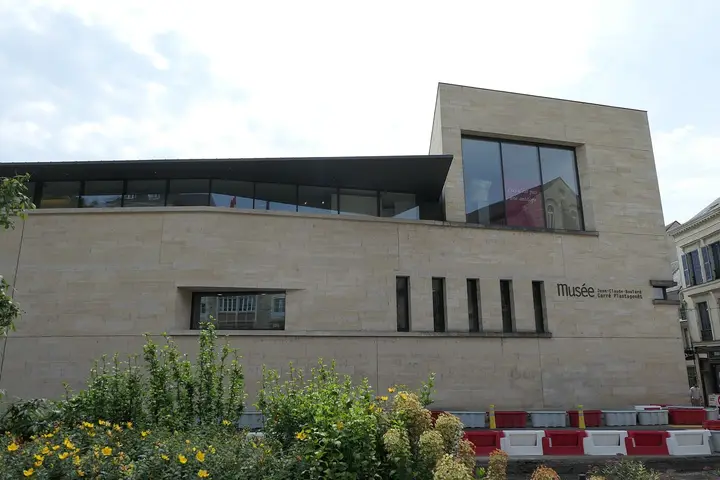
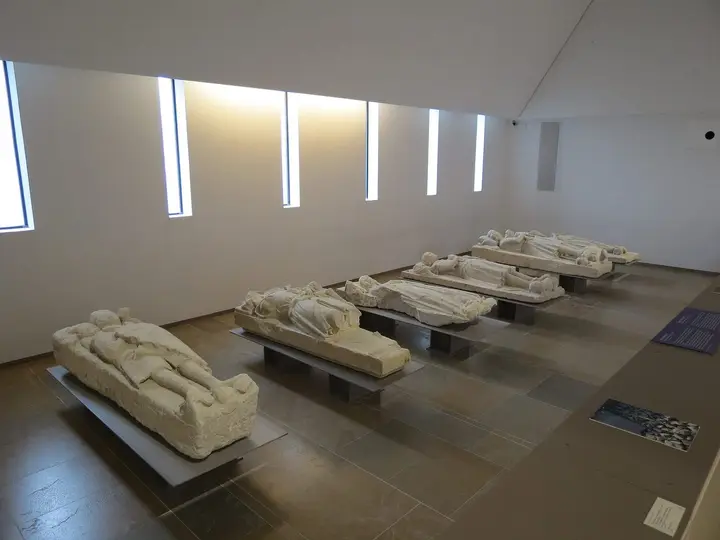
The Jean-Claude-Boulard museum - Carré Plantagenêt, Le Mans' archaeology and history museum, covers 3,360 m² (including 1,400 m² of permanent exhibits and 300 m² of temporary exhibits). Its five-part route traces the history of the Sarthe region from prehistory to the late Middle Ages: prehistory, protohistory, the Gallo-Roman era, the early Middle Ages and the medieval Maine. The collection, built up since the 19th century and through digs across the territory since the 1970s, features highlights such as the hoard of Cenomanian coins found on the banks of the Huisne in 1997, the Venus of Rextuganos, the glass drinking horn, the Coëffort hoard, Plantagenêt enamel, and a gallery of six stone tomb effigies.
The route is designed for all audiences and relies on models, watercolor reconstructions, interactive kiosks and staged spaces. The museum has an auditorium (about 120 seats), activity rooms, a documentation center and a tearoom. Admission is free, including for temporary exhibitions; only workshops and guided tours are paid.
Beyond its permanent route, the museum hosts temporary exhibitions several times a year and a public outreach department that runs education programs for schools, associations, hospitals and the local detention center, with the aim of making culture accessible to everyone.
A bit of history
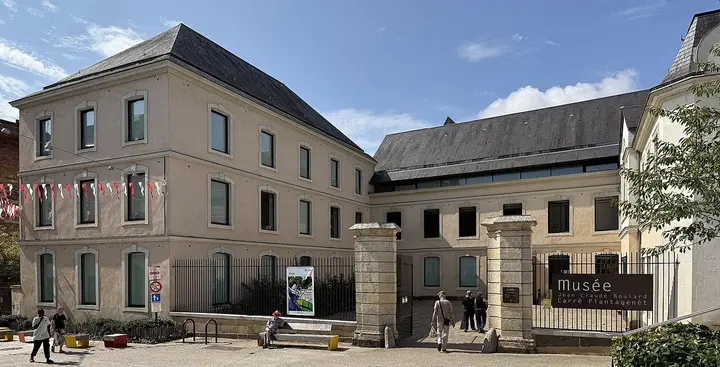
Before it was a museum, the site had several lives. In the 13th century the Filles-Dieu convent settled here, where nuns lived under the Rule of Saint Augustine. In the 18th century the convent was dissolved and turned into a hospital-seminary for elderly and destitute priests. During the French Revolution the site was split into two lots and sold as national property; in 1795, the printer Charles Monnoyer bought one of these lots. The Monnoyer family, printers since 1618 (first in Paris, then in Le Mans), built a thriving print shop on the site that left a lasting mark on the city, until it ceased operations in 1986 under Paul Monnoyer, then 83 years old.
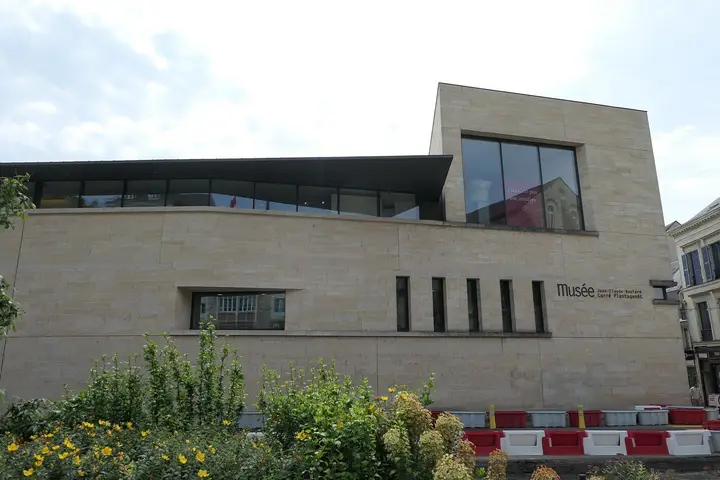
The current museum, designed by architect Bernard Althabegoïty, is the product of a major restoration of the former Monnoyer print shop and the Filles-Dieu convent, at a cost of about €20.2 million. Some parts of the old buildings were kept as architectural witnesses to the city's history. The Carré Plantagenêt opened on June 18, 2009, in the Saint-Nicolas district of Le Mans.
Note that Le Mans was among the very first French cities to open a museum after the Revolution, as early as 1799, with a collection first housed at the Abbey of La Couture and based in part on the bequest of Marshal de Tessé. That collection gave rise to the Tessé Museum, the counterpart of the Carré Plantagenêt in the Le Mans museum network.