

Photo : Fab5669, CC BY 4.0, via Wikimedia Commons
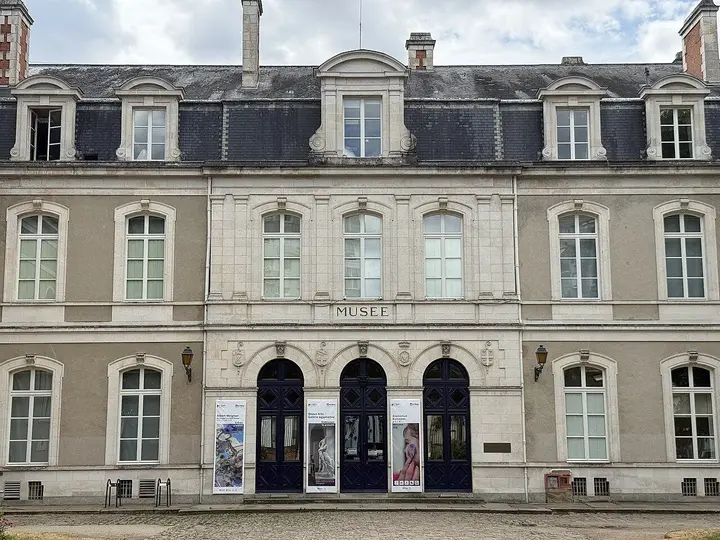
Le Musée de Tessé
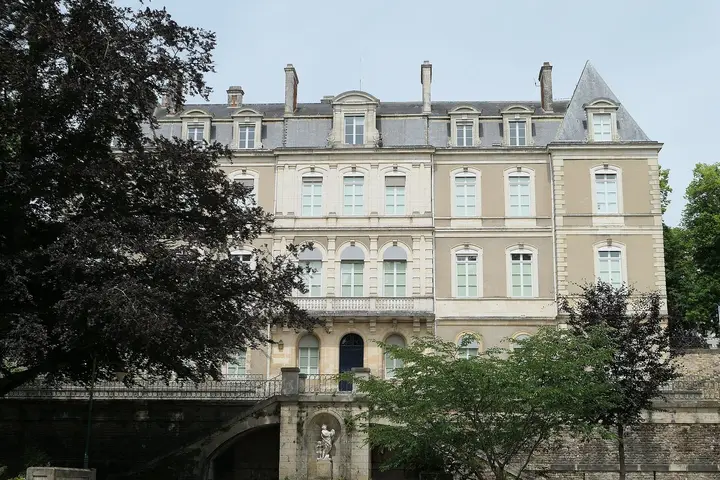
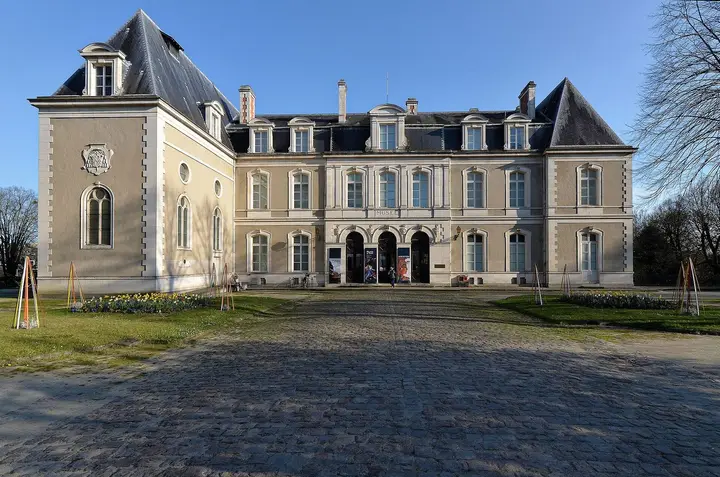
Musée des Beaux-Arts du Mans, offering a variety of guided tours, near the cathedral.
What's on
Science Meetup – The 1001 Lives of a Flower
Event· Free
Today
2:30 PM – 4:30 PM
Baby-hour – Les 4 saisons (12/18 months)
Event
Tomorrow
10:10 AM
Baby hour (18/36 months)
Event
Thu, Oct 29
10:10 AM
Momie et compagnie – One Foot in the Grave!
Event· Free
Fri, Oct 30
3:10 PM – 6 PM
Wellness session – Meditation
Event
Thu, Nov 12
12:30 PM
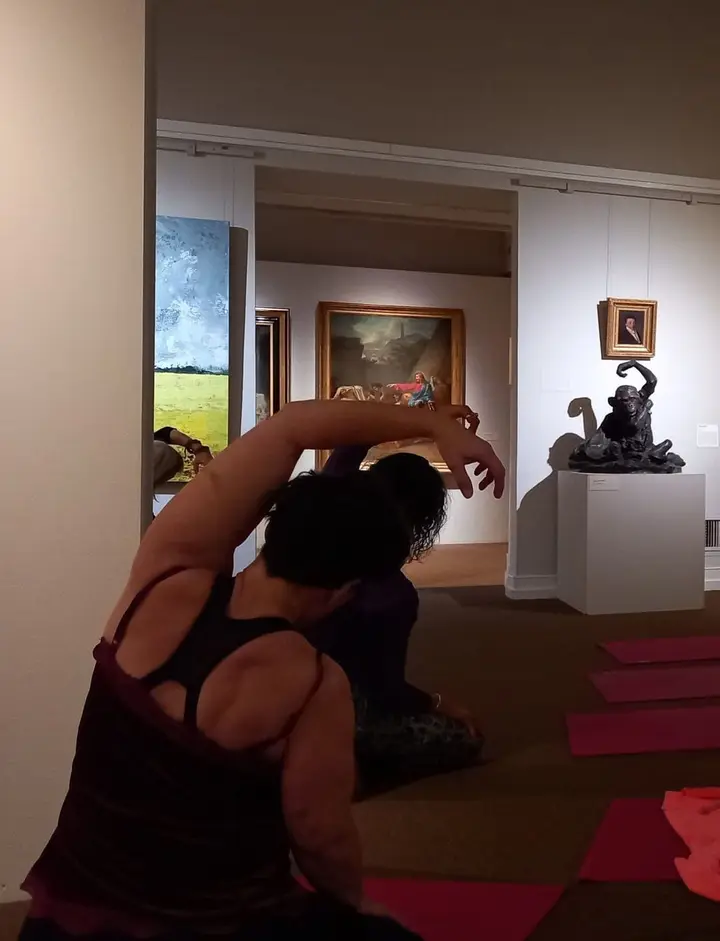
Wellness session – Yoga at the Museum
Event
Thu, Nov 26
12:15 PM
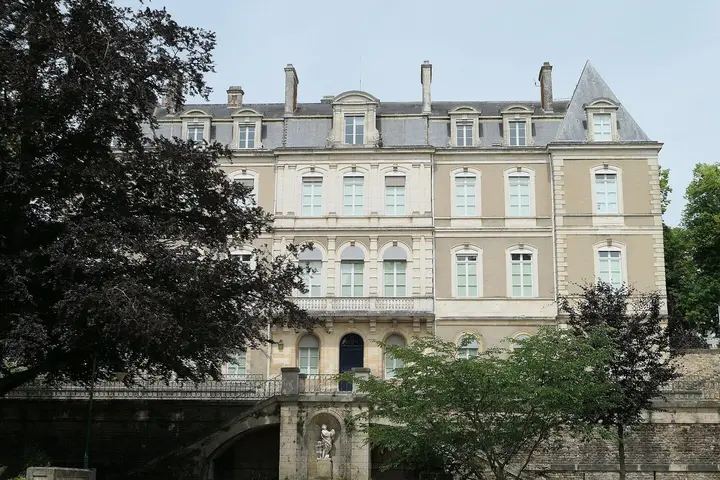
International Day of Persons with Disabilities
Event
Thu, Dec 3
1 AM
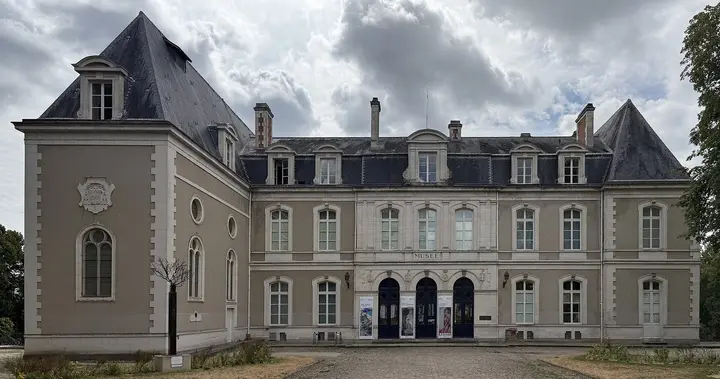
Culture and Disability Weekend
Event
Dec 5 – Dec 6
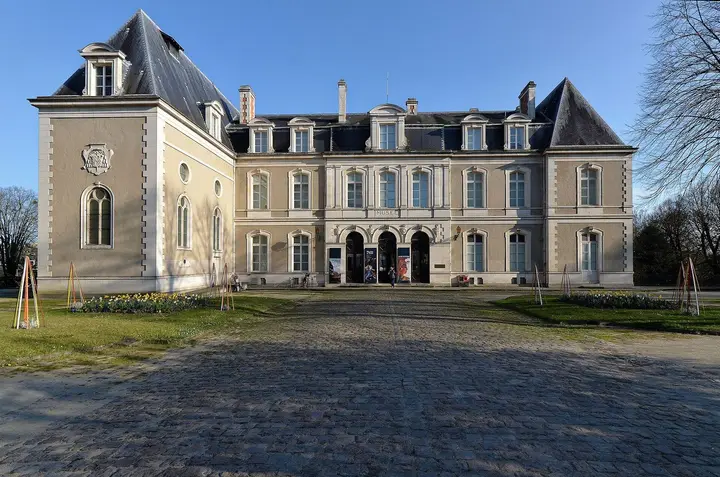
Wellness session – Meditation
Event
Thu, Dec 10
12:30 PM
Practical info
Tram
T2 — Croix de Pierre stop, 250 m · wheelchair-accessible stop
Bus
Lines M, 8, 11 — Jacobins-Quinconces stop, 270 m · wheelchair-accessible stop
Parking
Parking 110 m away (74 spaces)
Data: SETRAM / Le Mans Métropole (GTFS, Open Licence), © OpenStreetMap contributors (ODbL)
More about Le Musée de Tessé
Housed at 2 avenue de Paderborn, in a former bishop's palace in the city center, the Musée de Tessé is one of the oldest museums in France. Spread over two levels, it presents a rich collection of paintings, sculptures and decorative objects from the 12th to the 20th century: Italian Primitives (including Pietro Lorenzetti), 17th-century masters such as Philippe de Champaigne's “Vanitas” and “Sleep of Elijah,” a still life by Willem van Aelst, Louis XV's desk, and canvases illustrating Paul Scarron's “Roman comique.”
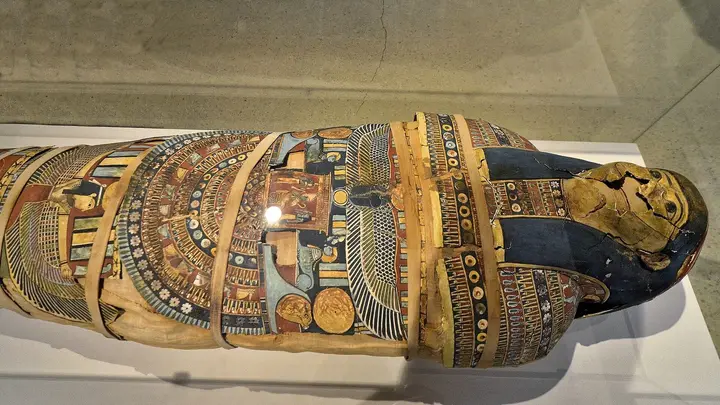
Since 2001, the museum has also housed a 600 m² underground space devoted entirely to pharaonic Egypt: life-size reconstructions of the tombs of Queen Nefertari, great royal wife of Ramesses II, and of Sennefer, governor of Thebes under Amenhotep II, made from photographs supplied by the Kodak-Pathé Foundation. This Egyptian gallery, unique in France in its concept, sits alongside a collection of authentic Egyptian antiquities (about a hundred pieces, including several sarcophagi).
The visit thus combines fine arts and archaeological immersion in a single route, which makes the Musée de Tessé, a designated “Musée de France,” an essential stop on Le Mans' cultural heritage.
A bit of history
The idea of a museum in Le Mans goes back to the end of Louis XVI's reign. It took shape with the revolutionary seizures of 1792: the property of the clergy and of émigrés was confiscated, notably that of Marshal René Mans de Froulay de Tessé, who had emigrated to Switzerland in 1790 and whose private collection (around 400 works) formed the museum's core. The Abbaye Saint-Vincent and the church of La Couture were also drawn in, under the action of François-Yves Besnard, president of the Sarthe's directory. The museum opened free of charge to the public on June 21, 1799, in the buildings of the La Couture abbey, making it one of France's very first museums.
In 1822, the museum came under municipal ownership and was enriched by new donations. In 1846, a separate archaeological museum was created, whose collections were finally merged with those of the Musée de Tessé in 1940. The current building, a former bishop's palace built between 1872 and 1878 on the site of the former mansion of Marshal de Tessé (destroyed by fire), has housed the museum since 1927. After fitting-out work, it reopened to the public in 1949.
The latest major transformation came in 2001, with the creation of the underground Egyptian gallery devoted to the tombs of Nefertari and Sennefer, which has since become a central element of the museum's identity.